News
Is Nighttime Heat A New Hidden Risk Factor for Autism?
 1+ hour, 48+ min ago (1118+ words) Summary: New research has identified a significant link between extreme nighttime temperatures during pregnancy and an increased risk of autism in children. By analyzing nearly 295,000 mother-child pairs, scientists discovered that exposure to unusually hot nights during critical windows of fetal…...
Boredom is More Distracting Than Background Noise During Learning
 4+ hour, 5+ min ago (732+ words) Summary: New research reveals that a learner's internal interest in a topic is a more powerful predictor of focus than external environmental noise. By monitoring brain activity and physiological stress, researchers found that when a person is genuinely engaged, their…...
Early Screen Time Linked to Long-Term Brain Changes, Teen Anxiety
1+ mon, 1+ week ago (833+ words) Summary: New research following children for more than a decade links high screen exposure before age two to accelerated brain maturation, slower decision-making, and increased anxiety by adolescence. Infants with more screen time showed premature specialization in brain networks involved…...
Extreme Heat Linked to Delays in Early Childhood Development
 2+ mon, 4+ day ago (796+ words) Summary: Young children exposed to unusually high temperatures are less likely to reach basic developmental milestones in literacy and numeracy. Analyzing data from over 19,000 children across multiple countries, the study found that average maximum temperatures above 86 "F were associated with…...
Screen Time in Tweens Predicts ADHD, Slower Brain Growth
 2+ mon, 3+ week ago (957+ words) Summary: A large, two-year study of nearly 12,000 children found that higher screen time at ages 910 predicts an increase in ADHD symptoms, independent of a child's starting symptom level. Brain imaging revealed that heavy screen use is associated with smaller cortical…...
Early Brain Activity Differences Predict Addiction Risk in Boys vs Girls
 2+ mon, 3+ week ago (848+ words) Summary: A large-scale analysis of nearly 1,900 children found that those with a family history of substance use disorder show early differences in how their brains transition between activity states, long before any drug exposure. Girls with family history showed increased…...
Language Emerged From Many Roots, Not Just One
 2+ mon, 3+ week ago (906+ words) Summary: A new framework argues that human language did not arise from a single evolutionary leap but from the convergence of many biological abilities and cultural processes. The authors highlight how speech learning, grammar formation, and social cooperation evolved along…...
Rare ADHD Gene Variants Linked to 15-Fold Higher Risk
 2+ mon, 3+ week ago (996+ words) Summary: A massive international genetic study has uncovered rare, high-effect variants in three specific genes'MAP1A, ANO8 and ANK2'that dramatically increase the likelihood of developing ADHD. These variants, though extremely uncommon, strongly affect genes expressed in dopaminergic and GABAergic neurons, influencing brain…...
No Evidence the Gut Microbiome Causes Autism
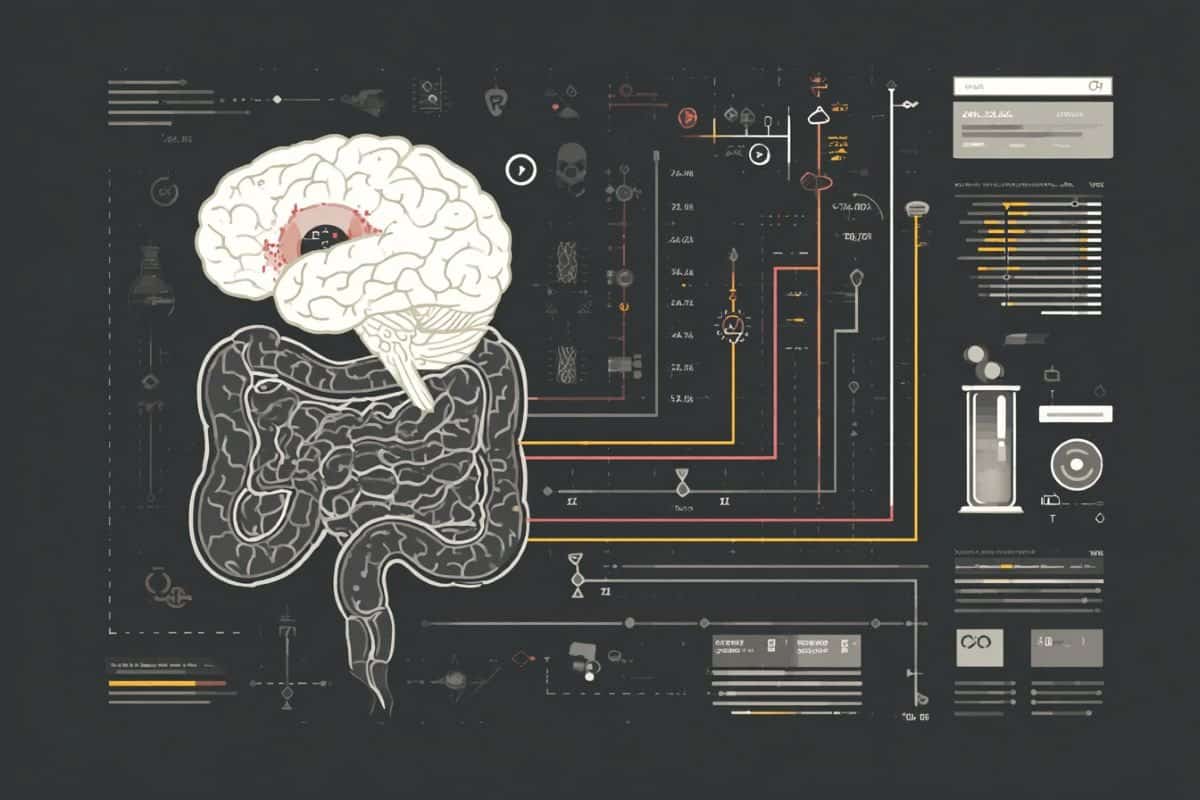 2+ mon, 4+ week ago (494+ words) Summary: Experts reviewing decades of research conclude there is no scientific evidence that the gut microbiome causes autism. They highlight major flaws in observational studies, mouse experiments, and clinical trials, including inadequate sample sizes and contradictory findings. Many differences in…...
Early Trauma Hardwires the Brain for Aggression and Self-Harm
 3+ mon, 1+ week ago (844+ words) Summary: A new study reveals that aggression and self-harm share a biological foundation in the brain's response to early-life trauma. Researchers discovered that trauma increases activity in calcium channels within a neural circuit connecting the nucleus reuniens and hippocampus, amplifying…...